From Decks to Porches: How to Create a Seamless Outdoor Living Space
May 11, 2026
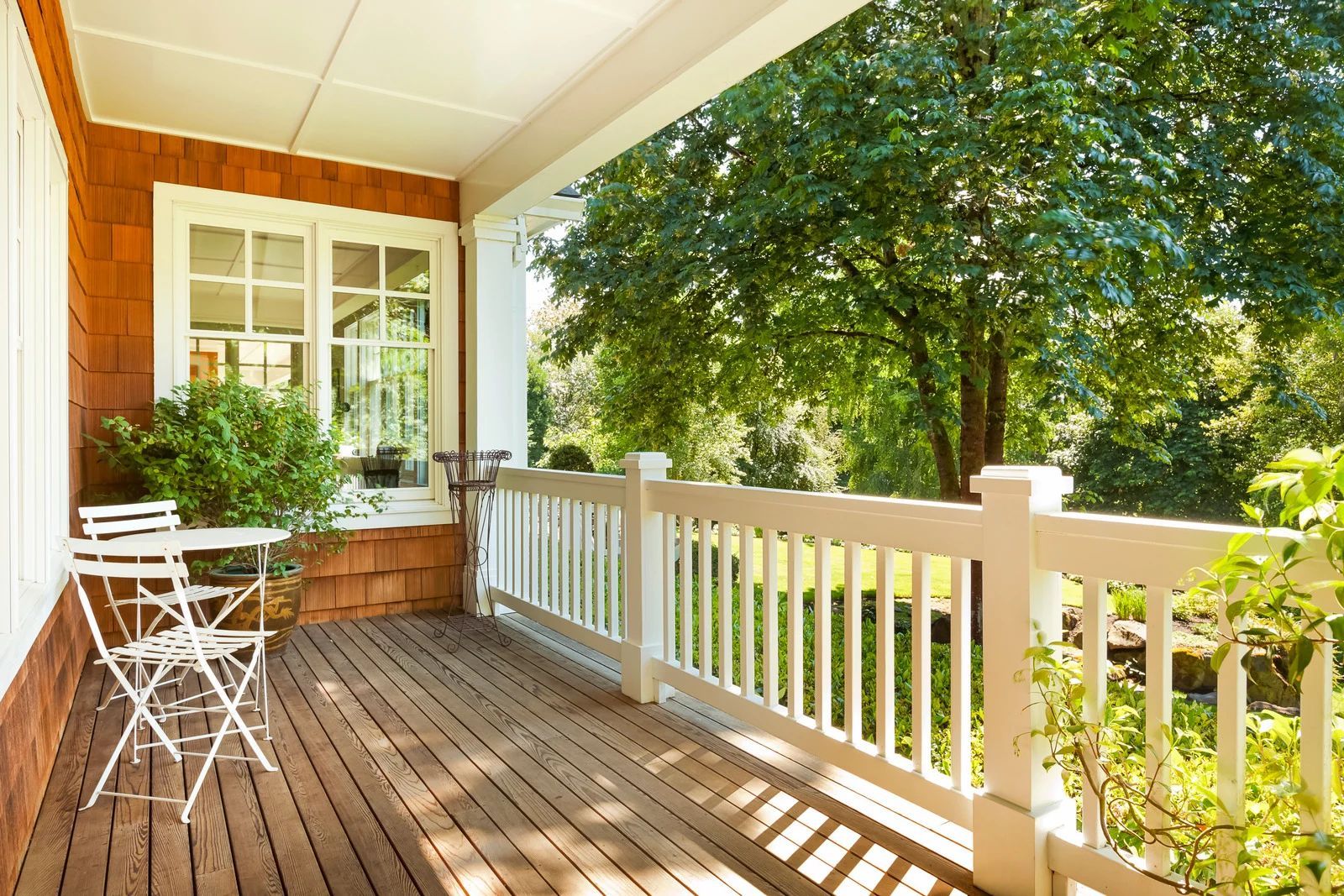
Outdoor living spaces have evolved from simple backyard additions into fully integrated extensions of the home. Today, decks and porches are no longer viewed as separate structures but as interconnected environments that enhance comfort, functionality, and lifestyle. Homeowners increasingly expect seamless transitions between indoor and outdoor areas, creating spaces that support relaxation, entertainment, and year-round usability. This shift has influenced design priorities across the construction and remodeling industry, where cohesion and flow now matter as much as durability and structural integrity.
A well-planned connection between decks and porches can significantly elevate both aesthetic appeal and property value. However, achieving this harmony requires more than just matching materials or aligning heights. It involves thoughtful spatial planning, structural coordination, and an understanding of how people naturally move through spaces. Lighting, flooring continuity, weather protection, and visual balance all play essential roles in creating a unified outdoor environment. When executed correctly, these elements transform disconnected outdoor structures into a single, inviting living experience. This blog explores how to design and build that seamless transition effectively, offering practical insights that help achieve both beauty and functionality in outdoor living design.
Designing a Unified Outdoor Vision
Establishing Functional Flow Between Spaces
A seamless outdoor living space begins with a clear understanding of movement and usability. Decks often serve active social purposes such as dining and entertaining, while porches tend to function as transitional or relaxation zones. Aligning these purposes creates a natural flow throughout the entire outdoor layout. Entry points from interior rooms should guide users intuitively toward either the deck or porch without visual or physical interruption or confusion. Proper zoning ensures each area serves a defined role while still contributing to a unified and connected experience overall.
Architectural Consistency and Design Language
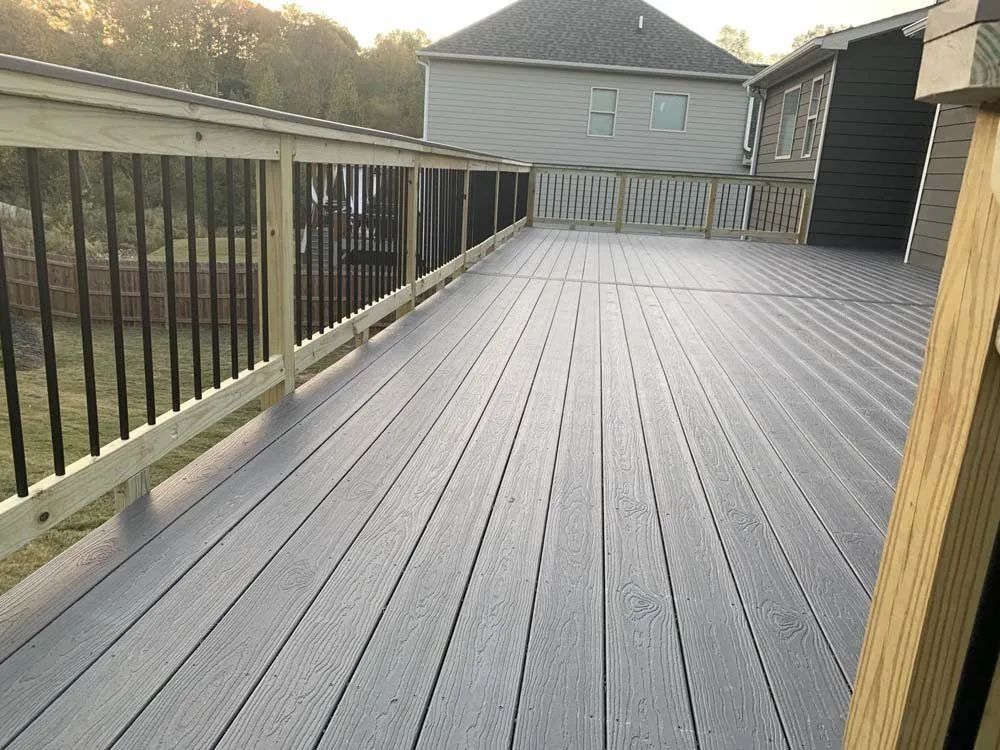
Consistency in architectural elements is critical for visual harmony. Rooflines, railing styles, and column designs should complement each other to avoid visual fragmentation across connected outdoor spaces. For example, a modern horizontal railing system on a deck should not abruptly transition into ornate, traditional porch detailing that feels disconnected. Maintaining a cohesive design language helps establish continuity and flow between all structures. Material selection also plays a key role, as wood tones, composite finishes, and structural accents should share complementary characteristics and balanced proportions.
Material Coordination for Visual Harmony
Material selection must be intentional and strategically planned for best results. While identical materials are not always necessary across both structures, coordinated textures, tones, and finishes help bridge different outdoor spaces effectively. Using complementary decking boards and porch flooring enhances visual unity and smooth transition. Repeating design materials such as stone, wood, or metal accents across both areas reinforces cohesion and prevents any disjointed or mismatched aesthetics from appearing in the final design.
Structural Planning for Seamless Integration
Level Alignment and Transition Control
One of the most overlooked aspects of outdoor integration is elevation alignment between connected structures. Uneven transitions between deck and porch can disrupt visual flow and create unnecessary safety concerns for users. Ensuring consistent floor heights or incorporating gradual step-down transitions allows for smooth and natural movement between areas. Subtle design solutions, such as wide stair landings or flush thresholds, help maintain strong visual and physical continuity across the entire outdoor living environment.
Load Distribution and Structural Compatibility
Decks and porches often differ in structural design requirements, yet they must function together safely and efficiently. Proper load calculations ensure both structures can support the expected weight, including furniture, foot traffic, and environmental forces like wind or rain. Reinforcement points should be strategically placed where both structures connect to maintain long-term stability. Attention to foundation compatibility prevents shifting, cracking, or separation over time, ensuring a durable and secure outdoor living system.
Weather Protection and Durability Planning
Outdoor spaces must withstand constantly changing weather conditions throughout the year. Proper drainage systems, moisture barriers, and protective coatings significantly extend the lifespan of both decks and porches. Overlapping roof extensions or pergola integrations can provide additional protection while visually linking both areas into one cohesive structure. Designing with climate resilience in mind ensures long-term performance, reduces repair needs, and minimizes ongoing maintenance requirements effectively.
Enhancing Aesthetic Continuity and Comfort
Lighting Design for Unified Atmosphere
Lighting plays a powerful role in connecting outdoor areas into one cohesive experience. A consistent lighting strategy helps unify decks and porches after sunset, creating a warm and inviting environment. Using similar fixture styles, color temperatures, and placement patterns ensures continuity across both spaces. Ambient lighting along pathways, steps, and seating zones enhances safety while reinforcing design cohesion and improving nighttime usability significantly for all users.
Furniture Placement and Spatial Balance
Outdoor furniture should complement the flow between spaces rather than interrupt or block movement patterns. Coordinated seating arrangements help define functional zones while maintaining overall visual unity. For example, a lounge setup on the deck can mirror porch seating styles through matching cushions, materials, or layout symmetry. Balanced spacing prevents overcrowding and supports natural movement, ensuring that both comfort and accessibility are maintained throughout the entire outdoor environment.
Landscaping as a Transitional Element
Landscaping serves as a natural and effective bridge between connected structures. Strategic placement of plants, hedges, and garden beds softens architectural edges and visually connects the deck and porch. Repeating plant species, colors, or textures across both areas reinforces unity and design consistency. Pathways bordered by greenery further guide movement between zones, enhancing both aesthetic appeal and functional navigation across the outdoor living space.
Functional Enhancements for Modern Outdoor Living
Outdoor Kitchens and Entertainment Zones
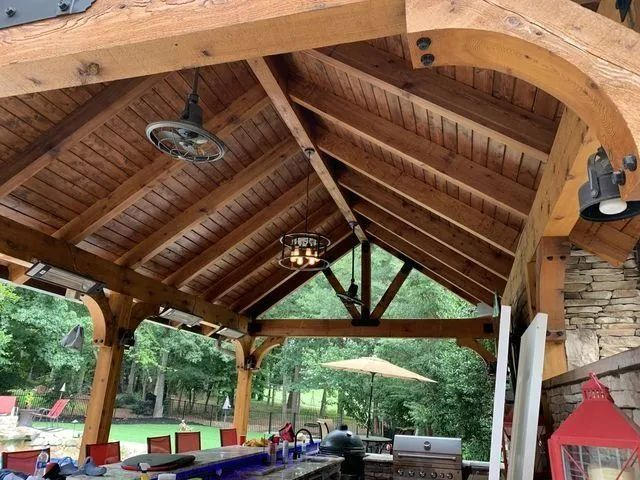
Integrating functional features such as outdoor kitchens or entertainment systems significantly enhances usability and lifestyle value. Positioning these elements between deck and porch areas creates a central hub for gatherings and social interaction. Built-in grills, countertops, seating, and storage solutions should align with the overall design style to maintain visual harmony. This ensures that functionality is seamlessly integrated without disrupting the cohesive flow of the outdoor environment.
Smart Technology Integration
Modern outdoor spaces increasingly incorporate smart technology for improved convenience and efficiency. Automated lighting systems, weather sensors, and integrated audio setups can be synchronized across both decks and porches for a unified experience. Centralized control systems enhance usability while elevating overall comfort and functionality. Technology should be discreetly installed to preserve aesthetic integrity while still delivering advanced performance and ease of operation for homeowners.
Privacy and Comfort Enhancements
Privacy features such as pergolas, screens, and partial enclosures improve comfort without compromising openness or airflow. These elements help define transitions between deck and porch areas while maintaining a visual connection. Adjustable shading systems provide flexibility depending on weather conditions, sunlight intensity, and usage preferences. Thoughtful integration of privacy solutions ensures a balanced outdoor environment that supports relaxation and usability throughout the day.
Common Challenges and Expert Best Practices
Avoiding Design Disconnection
A frequent issue in outdoor projects is inconsistent design execution across connected structures. Mixing unrelated styles, colors, or materials often creates fragmentation and weakens overall visual appeal. A unified design plan developed before construction helps prevent these issues effectively. Every element should contribute to a single cohesive vision rather than functioning independently, ensuring strong continuity across all outdoor living spaces.
Managing Budget Without Sacrificing Quality
Balancing cost efficiency and quality is a major challenge in outdoor construction projects. Prioritizing structural integrity and high-traffic areas ensures long-term durability and safety. Decorative elements can be adjusted based on budget constraints, but foundational components should always remain high quality and reliable. Strategic planning helps avoid costly modifications or repairs later, ensuring better long-term value and performance.
Ensuring Long-Term Maintenance Efficiency
Outdoor spaces require consistent maintenance to preserve appearance and functionality over time. Choosing low-maintenance materials such as composite decking or treated wood reduces upkeep demands significantly. Proper sealing, routine inspections, and seasonal cleaning help extend the life of both decks and porches. Designing with maintenance efficiency in mind ensures sustained performance, durability, and visual appeal throughout changing weather conditions and years of use.
Trusted Outdoor Living Experts Delivering Seamless Designs
Creating a seamless outdoor living space requires careful coordination of design, structure, materials, and functionality. When decks and porches are thoughtfully integrated, the result is a unified environment that enhances lifestyle quality and adds lasting value to a property. Every detail, from elevation alignment to lighting consistency, contributes to a cohesive outdoor experience that feels natural and inviting.
A successful design does not treat outdoor areas as separate entities but as interconnected extensions of indoor living. By focusing on flow, durability, and aesthetic harmony, homeowners can achieve outdoor spaces that are both practical and visually refined. The result is an environment that supports relaxation, entertainment, and everyday living with equal ease.
JT Deck And Porches
brings over 38+ years of hands-on experience in designing and building outdoor structures that blend function with architectural precision in Cumming, Georgia. Every project is approached with a commitment to structural integrity, design cohesion, and long-lasting craftsmanship. With a deep understanding of how
decks and porches
interact, we deliver outdoor environments that feel naturally connected to the home while reflecting each client’s lifestyle needs. Our work is rooted in reliability, precision, and a consistent focus on quality outcomes that stand the test of time.