Signs Your Deck or Porch Needs Repairs Before It’s Too Late
March 23, 2026
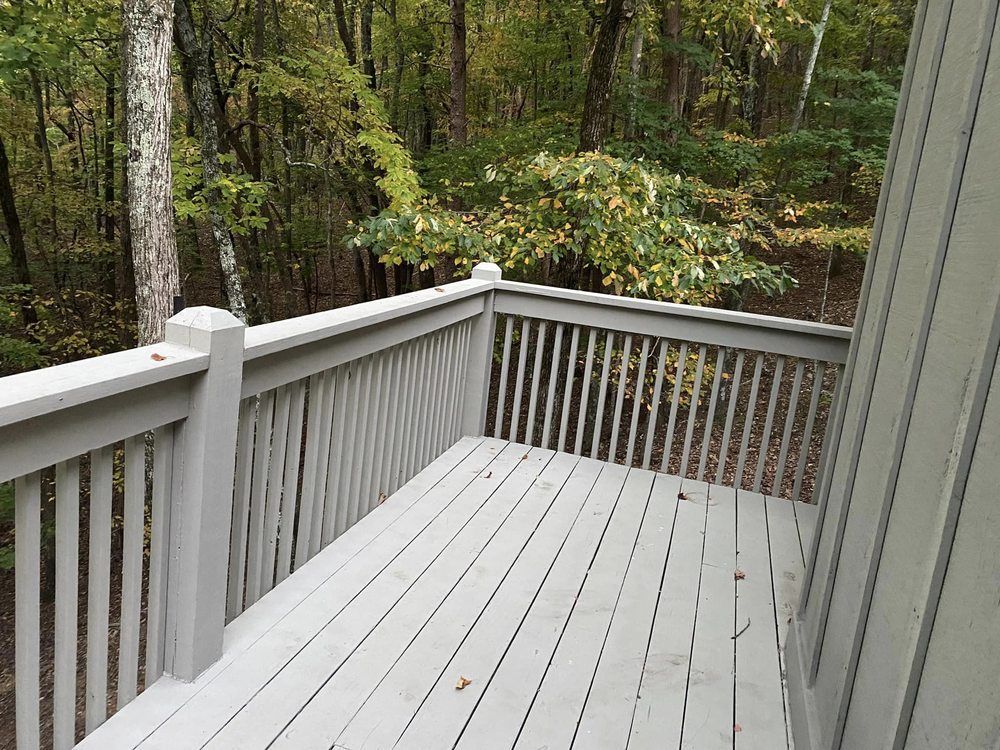
Your deck or porch isn’t just an extension of your home; it’s a space where memories are made, whether it’s hosting summer barbecues, enjoying morning coffee, or simply relaxing outdoors. However, like any structural feature exposed to the elements, decks and porches are susceptible to wear and tear over time. Ignoring small issues can lead to bigger problems that compromise safety, aesthetics, and the overall value of your home. Recognizing the signs of deterioration early is critical to prevent costly repairs or potential accidents.
Deck and porch maintenance is often overlooked because issues can start subtly. Warped boards, rusting fasteners, or weakened support posts may not immediately disrupt your outdoor activities, yet they indicate underlying damage. Understanding the early warning signs can help homeowners take timely action, prolonging the life of these spaces and maintaining their safety. This guide explores the key indicators that your deck or porch may need professional attention, offering actionable advice, expert insights, and practical examples to help you protect your investment. By identifying issues before they escalate, you ensure your outdoor living spaces remain both beautiful and safe for years to come.
1. Visible Wood Damage and Deterioration
Rotting or Decaying Wood
One of the most obvious signs that a deck or porch requires repair is wood rot. This occurs when moisture penetrates the wood, creating soft spots, discoloration, or a spongy texture. Wooden decks and porches near water sources or in shaded areas are particularly vulnerable. Rot weakens the structural integrity of the deck and can spread quickly if left untreated. Regularly inspecting areas near support posts, railings, and steps can help detect early signs of rot. Homeowners should probe suspicious areas with a screwdriver or a similar tool; soft or crumbly wood indicates immediate attention is needed.
Cracks and Splits
Cracks in decking boards are not only unsightly but can also signal deeper structural issues. These may develop due to natural wood expansion and contraction, weather extremes, or prolonged sun exposure. Splits near fasteners or load-bearing areas require prompt repair to prevent accidents or further deterioration. In some cases, minor cracks can be filled with wood filler or epoxy, but significant splits may necessitate board replacement.
Warping and Cupping
Warped or cupped boards indicate moisture absorption or poor ventilation beneath the deck. This distortion can cause uneven surfaces, trip hazards, and difficulty walking or moving furniture safely. Warping may also affect the alignment of railings and stairs, compromising safety. Proper deck design with sufficient spacing between boards and adequate water drainage is critical to prevent these issues. If warping is severe, replacement of affected boards is often the most reliable solution.
2. Structural Concerns and Instability
Loose or Wobbly Railings
Railings are essential for deck safety, especially for elevated structures. Over time, fasteners can loosen due to vibration, corrosion, or wood shrinkage. If your railings wobble when pressure is applied, it’s a clear indicator of weakened connections. Ignoring this issue increases the risk of falls or injury. Tightening screws may temporarily stabilize railings, but persistent looseness often requires professional inspection and reinforcement.
Sagging or Uneven Surfaces
A sagging deck is a serious structural warning. It can result from compromised joists, posts, or beams that no longer support the intended load. Uneven decking not only presents tripping hazards but also suggests potential failure points that could lead to collapse. Homeowners should observe the deck from multiple angles; noticeable dips, uneven boards, or separation between boards often signal hidden damage beneath the surface.
Rusting or Corroded Fasteners
Metal fasteners—nails, screws, and brackets—play a critical role in holding a deck together. Rusting or corroded fasteners weaken connections, making the deck unstable and unsafe. This is particularly common in coastal regions or areas with high humidity. Inspecting and replacing corroded hardware is essential to maintain structural integrity and prevent boards or railings from loosening. Stainless steel or coated fasteners provide better longevity and resistance to corrosion.
3. Signs of Water Damage and Moisture Issues
Mold and Mildew Growth
Visible mold, mildew, or algae on deck surfaces is more than a cosmetic issue—it indicates moisture retention, which can accelerate wood decay. These growths thrive in shaded or damp areas and create slippery surfaces that increase the risk of falls. Regular cleaning, sealing, and proper ventilation can mitigate these risks. Homeowners should use a soft-bristle brush and mild deck cleaner to remove mold and inspect underlying boards for rot.
Water Pooling and Poor Drainage
Standing water on a deck or porch is a serious red flag. Decks should be designed to allow water to drain freely. Pooling water can lead to wood rot, attract pests, and increase slipperiness. Inspecting the deck slope, gaps between boards, and drainage pathways helps identify areas needing repair. Corrective measures may include adding drainage channels, re-spacing boards, or leveling the deck to prevent water accumulation.
Discoloration or Staining
Water exposure can cause discoloration, fading, or staining of wood. While some staining may be superficial, dark spots or streaks often suggest moisture penetration or fungal activity. Consistent staining patterns near railings, posts, or corners can indicate slow water seepage that may compromise the deck’s longevity. Early detection allows targeted repairs before the damage spreads.
4. Pest Infestations and Insect Damage
Termite and Carpenter Ant Activity
Wood-destroying insects, such as termites and carpenter ants, can silently compromise your deck’s structural integrity. Look for hollow-sounding wood, sawdust-like debris, or tiny holes along boards and posts. Termite damage often begins in hidden areas, such as the undersides of decks or inside support posts, making regular inspections essential. If detected early, treatment and localized repairs can prevent extensive damage.
Evidence of Other Pests
Squirrels, rodents, and other pests may also take shelter in deteriorating or hollowed wood. Chewed boards, droppings, or nests can indicate the need for immediate intervention. Addressing pest activity promptly not only protects the deck but also prevents infestations from spreading to your home.
Preventative Measures
Using pressure-treated or naturally resistant wood species, sealing gaps, and applying insect-repellent finishes are proactive ways to minimize pest damage. Regular inspections by professionals can help catch early infestations and preserve the structural health of the deck.
5. Safety Hazards and Functional Problems
Loose or Missing Boards
Deck boards that move when stepped on or are entirely missing pose an immediate safety risk. Loose boards often result from weakened fasteners, rot, or ground movement. These issues create trip hazards and may indicate more extensive substructure problems. Repairing or replacing compromised boards promptly ensures the deck remains safe for use.
Nail Pops and Splintered Surfaces
Protruding nails or splintered wood can cause injuries to bare feet and pets. These issues often arise from natural wood expansion or improper installation. Routine inspections and maintenance—such as hammering down nails, replacing damaged boards, or sanding surfaces—improve safety and aesthetics.
Faded or Slippery Surfaces
Over time, weathering can make a deck surface slick, especially when wet. Algae, mold, or worn finishes reduce traction and increase fall risk. Applying anti-slip coatings or resurfacing worn areas enhances safety while extending the life of the deck.
6. Signs Your Porch Needs Attention
Settling or Foundation Shifts
Porches with uneven floors or tilting posts may be experiencing settling issues. Soil movement, erosion, or inadequate foundation support can cause structural instability. Identifying these early prevents serious damage and costly reconstruction. Homeowners should look for cracks in concrete pads, gaps between the porch and home, or leaning support posts.
Peeling Paint or Finish
Exterior finishes protect porch wood from moisture and UV damage. Peeling, flaking, or blistering paint indicates that the protective barrier is compromised. Without timely refinishing, wood becomes susceptible to rot, insect damage, and further deterioration. Regular sanding, priming, and painting or staining are essential maintenance steps.
Broken Steps or Worn Handrails
Steps and handrails are critical for safe porch use. Cracked steps, loose treads, or weakened handrails compromise functionality and increase accident risk. Even minor defects should be addressed immediately, as they often indicate more extensive underlying structural issues.
Experienced Specialists Protect Your Outdoor Living Spaces
Recognizing the signs that your deck or porch requires repair is essential for both safety and longevity. From visible wood rot, cracks, and warping to structural instability, water damage, pest infestations, and safety hazards, timely inspections and maintenance can prevent minor issues from turning into major problems. Homeowners who proactively address these concerns not only preserve the functionality and aesthetics of their outdoor spaces but also enhance their property’s value and prevent accidents. Regular assessments, proper cleaning, protective finishes, and timely repairs are all critical components of responsible deck and porch care.
With over 38 years of experience, JT Deck And Porches
in Cumming, Georgia, stands as a reliable authority in deck and porch construction and repair. Our team understands the unique challenges homeowners face when maintaining outdoor spaces exposed to varying weather conditions. From identifying early signs of wood decay, structural instability, and moisture damage to implementing precise repairs, we combine expertise, high-quality materials, and professional craftsmanship to ensure safety and durability. We offer personalized solutions tailored to each deck or porch, enhancing both beauty and function while preventing costly future repairs. Whether you require routine maintenance, emergency fixes, or complete restoration, our commitment to excellence ensures your outdoor living areas remain safe, stylish, and structurally sound. Partnering with JT Deck And Porches
guarantees peace of mind, professional guidance, and a trusted service provider dedicated to protecting your investment for decades to come.